
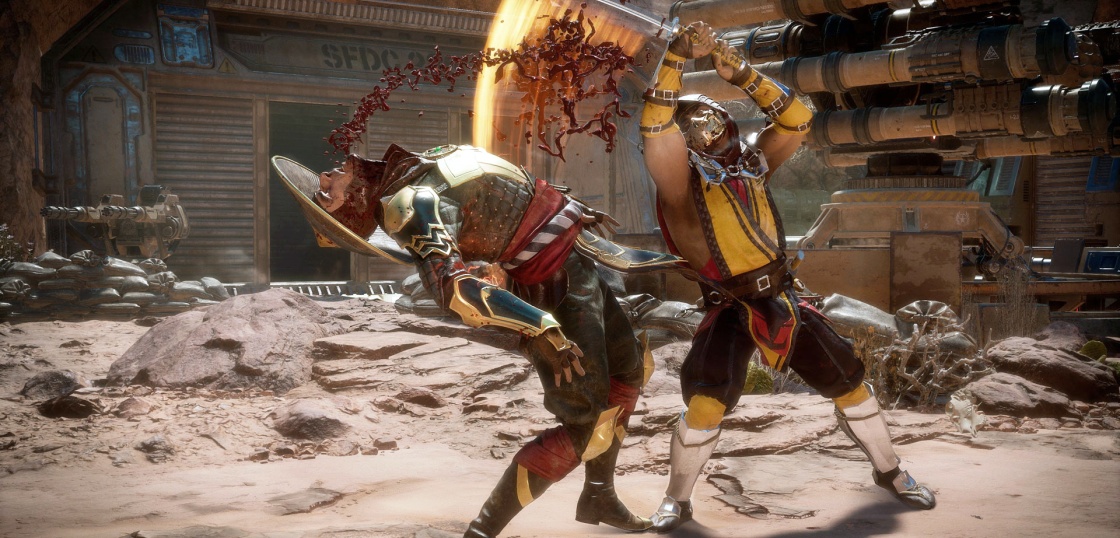
At a time when the price of the game continues to rise and the player’s wallet is strained, the original plan of the Mexican Government has made it worse for less affluent players. In September, the Mexican Ministry of Finance will introduce a special tax on the so-called “violence game” and include it in its fiscal plan for 2026. Fortunately, three months later, the Mexican Government pressed the pause.
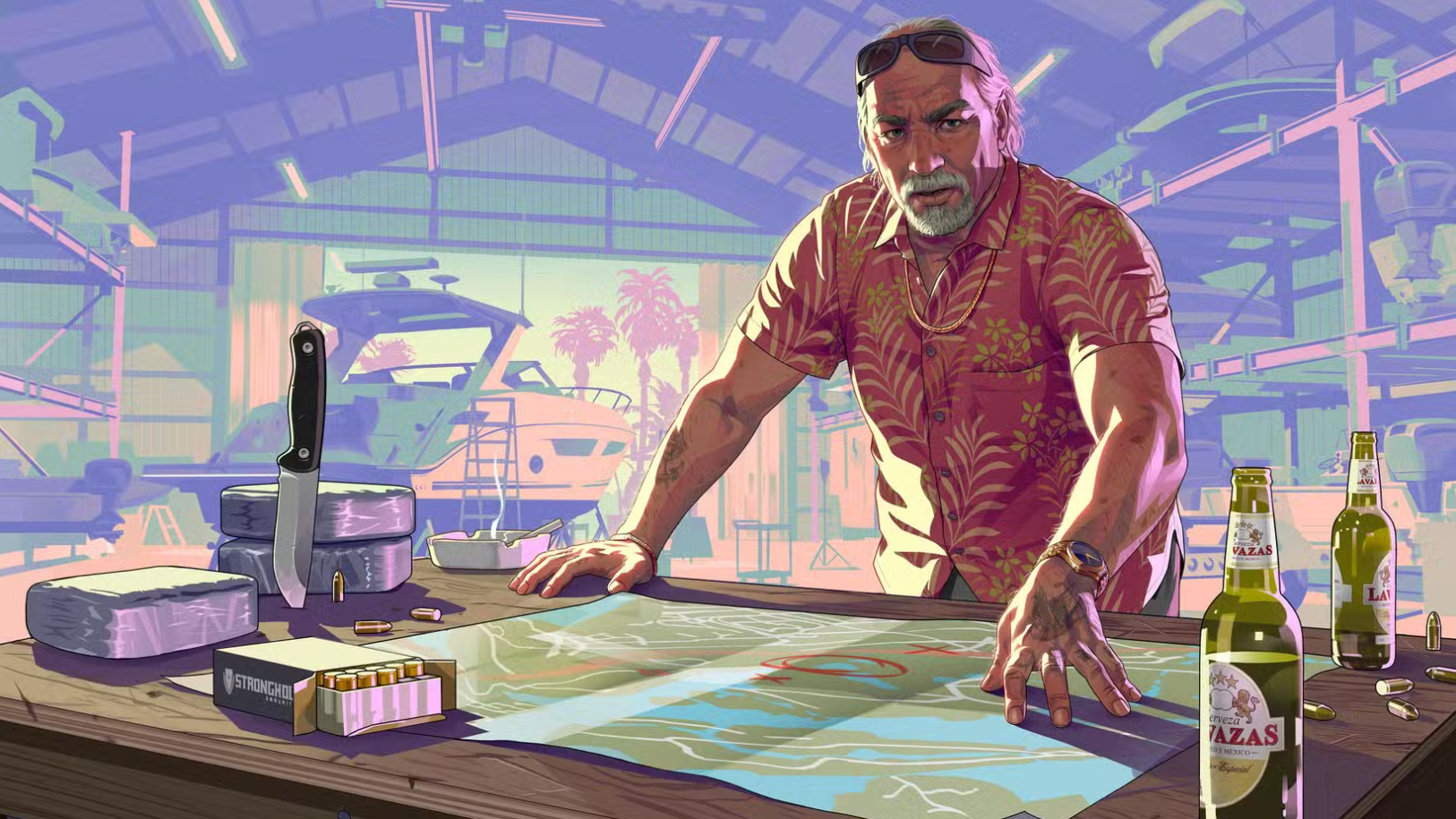
Mexican President Claudia Sinbaum announced this week that the federal Government would withdraw the 8 per cent additional tax on video games contained in the Economic Programme 2026. This financial plan, which was originally scheduled to enter into force on 1 January 2026, would have been applied to entities classified as “not fit for minors” and to digital games, the stated purpose of which was to curb the content of violence and help address the broader problem of social violence. Claudia Simbaum said at the press conference: “It is difficult to define whether a game contains violent elements, and who will decide?” In the face of these outstanding issues, the Government has chosen to completely eliminate the special tax and instead focus on awareness-raising activities for adolescents. In September, the Ministry of Finance of Mexico stated that, according to the study, there was a strong correlation between violent games and offensive, anxiety and other psychological problems manifested by adolescents. The Ministry of Education hopes that this special tax will reduce the demand for “violence games” and prompt players to rethink the type of game they play.
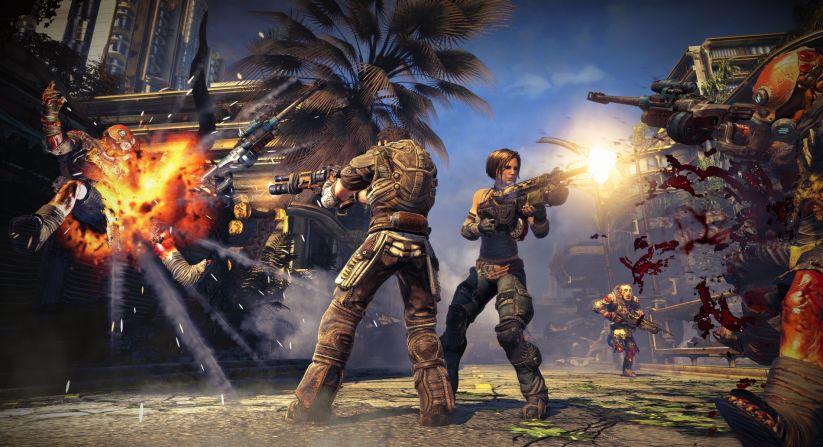
The proposal was compared to the “crime tax” on tobacco and sugary beverages, and video games were seen as another product requiring financial correction. Unlike cigarettes and sodas, however, the game does not have a clear warning label, nor does the law specify how to measure the level of violence, by whom to classify and how to tax online shops and subscription services. Even the President himself acknowledged the contradictions. She noted that, while many online games could be addictive, expensive and designed around violent mechanisms, it was ultimately considered that taxation was not a good idea. “There are too many complex problems with this tax”, she said: “We decided to reverse the policy and instead promote a culture of peace”. Critics reacted more quickly and more acutely. The MP of the Mexican Civil Movement, Iraz Reyes, said: “They claim that game opportunities breed violence as if the players were potential criminals. But no one will become a criminal for playing The Last Survivors, for survival in the last world, for survival in The Real Fist, or for catching the elves in The Real Dream.”
This is not the first time that Mexico has experienced friction with the culture of play. In 2021, former President Andrés Manuel López Oflador published a list of recommendations for “right” use of video games, warning against online chats with strangers and criticizing parents for using games as digital nannies. He claimed at the time that “it would indeed have a negative impact and cause harm”. This debate undoubtedly touched on Mexico ‘ s sensitive nerve, which, as the largest game market in Latin America, ranks tenth in the world, not only as a major consumer, but also as an emerging force for game development. According to Newzoo’s previously published estimates, the Mexican game industry earns more than $2.3 billion a year, after China, the United States, Japan, Korea, Germany, the United Kingdom, France, Canada and Brazil.