
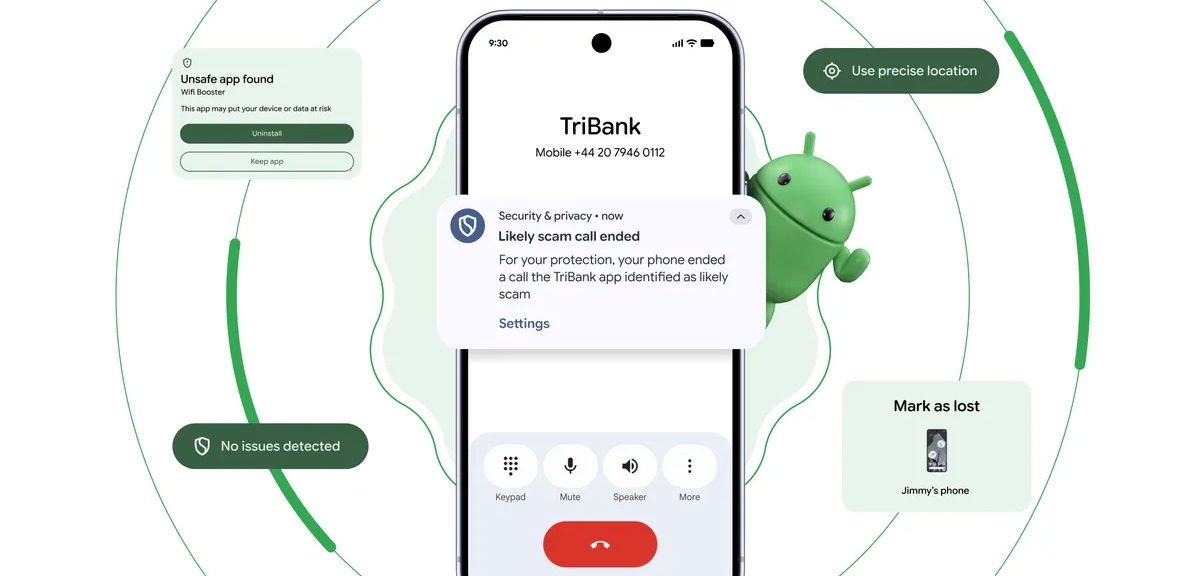
In an op-ed, Eugene Liderman, Director General of Security and Privacy, Android, described Google ‘ s entirely new security and privacy function, which will continue to be launched on the Android system in 2026, focusing on AI-driven security protection, bank fraud prevention, equipment security and privacy control.
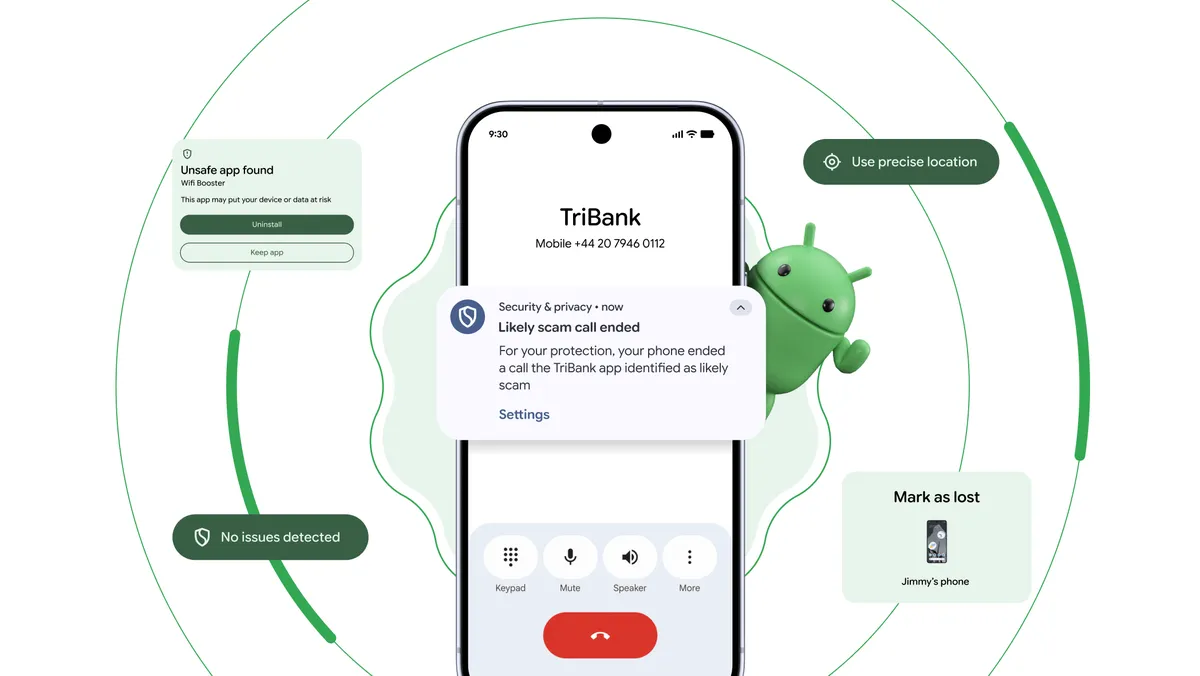
Certified financial callGoogle is introducing the “certified financial caller” function, which is designed to combat telephone fraud by impersonating banks and financial institutions. It is estimated that the use of fraudulent telephones that are tampered with tolls has caused losses of approximately $950 million annually globally. When the user has installed the application of a bank or financial institution, the functionality will operate backstage. When a “bank” call is received, the Android system confirms the application. Upon confirmation of non-bank calls, the system automatically hangs up. The bank may also designate certain numbers as restricted access, which means that calls from these numbers will be suspended directly.
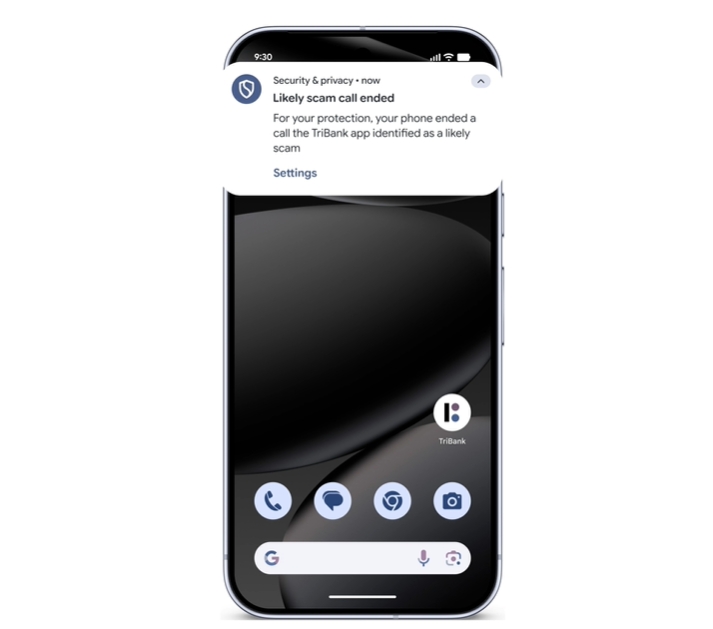
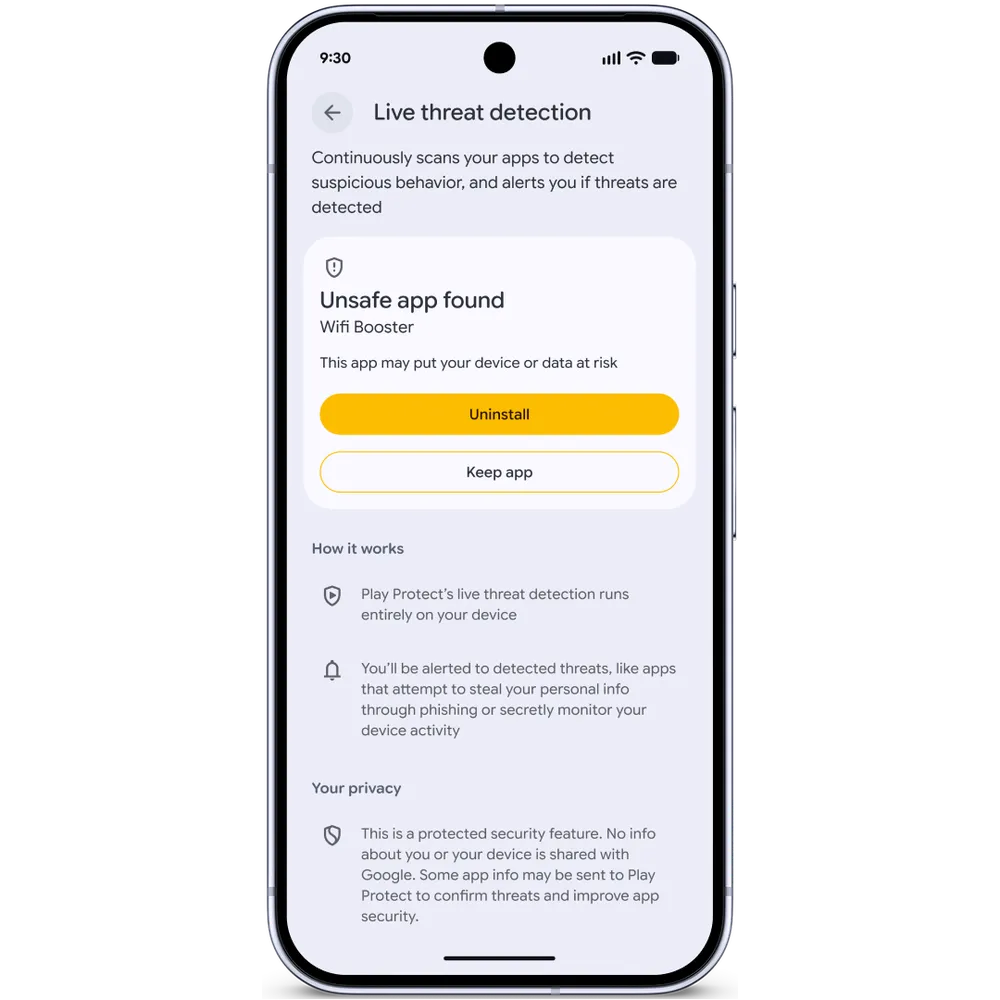
The certified financial call function will be first launched on Android 11+ equipment in the coming weeks, with the first supporting the banks of Revolut, Itaú and Nubank, and additional banks later this year.Real-time threat detectionThreat detection is carried out using equipment AI for real-time analysis of the behaviour of the application, which allows the identification of misuse, including text messaging and accessibility. Dynamic signal surveillance allows Android to warn users about applications to change or hide their icons, start or misuse assistive functionality from the backstage. The system can dynamically push rules against new threatening behaviour. Dynamic signal surveillance will be activated on Android 17 equipment and associated protective measures will be introduced later this year.
Chrome Advanced Protection UpdateAdd an additional layer of protection to the Android Chrome browser when downloading. When the security browse is enabled, when the user downloads the application, Chrome checks whether the ANK file contains known malware and, if necessary, stops the download.
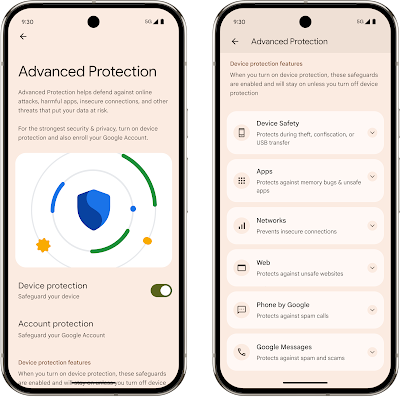
The senior protection function is being upgraded to enable the best anti-fraud, anti-fraud and anti-directional assault protection in Google. The USB protection now supports all Android 16 and higher versions of Pixel equipment and will soon be extended to more Android equipment. The invasion log recording function is being carried out by Google, in collaboration with Amnesty International and Reporters Without Borders, and is currently being rolled out to all equipment that was updated and upgraded in December to run Android. Android 17 expanded its advanced protection, removed access to assistive service for all applications that were not marked as accessible, banned inter-equipment unlocking and Chrome WebGPU support, and informed integrated fraud detection for chat. Advanced protection support for the Android enterprise version will be launched later this year.Protection against theft of equipmentIn Android 17, in addition to conventional equipment passwords or PIN, biometric authentication can now be used to lock mobile phones. Even if the thief had obtained a password or a PIN code, he would not be able to turn off the equipment and trace or re-access the cell phone that had been marked as missing. This feature will also hide quick settings and disable new WiFi and Bluetooth connections.
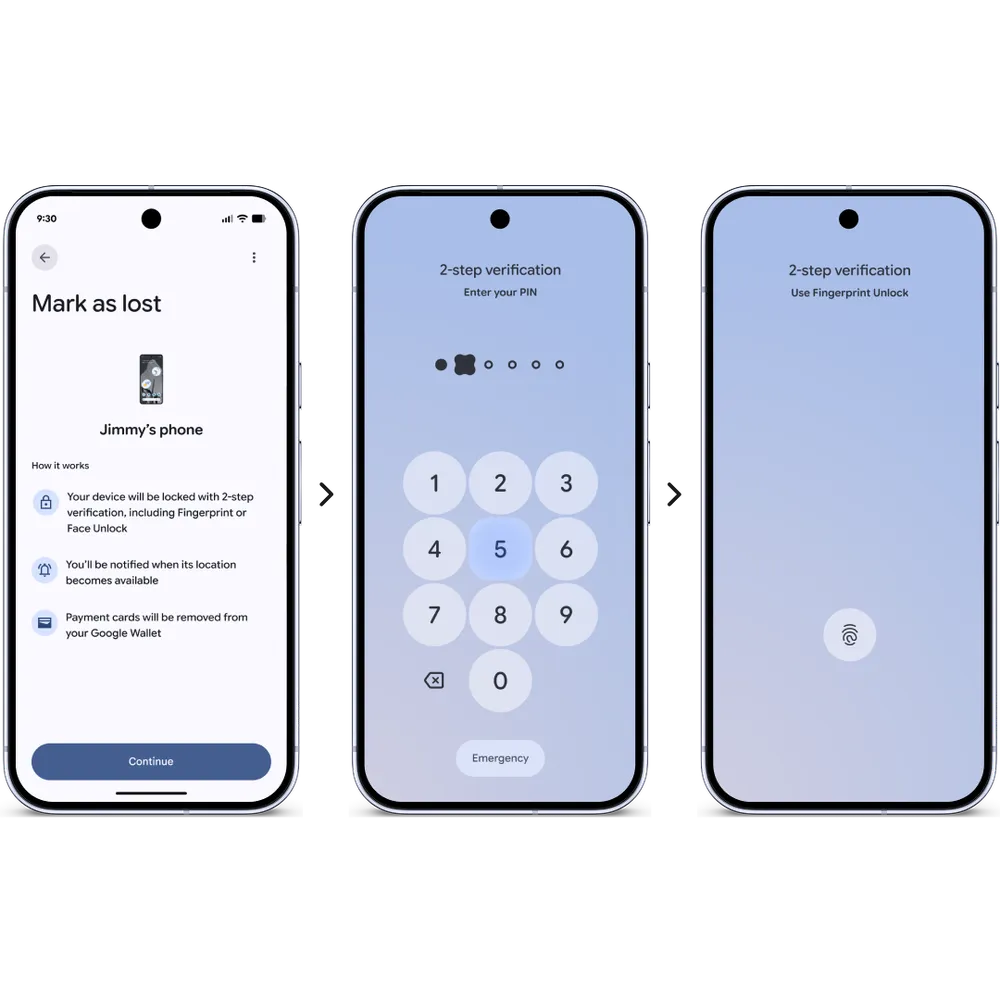
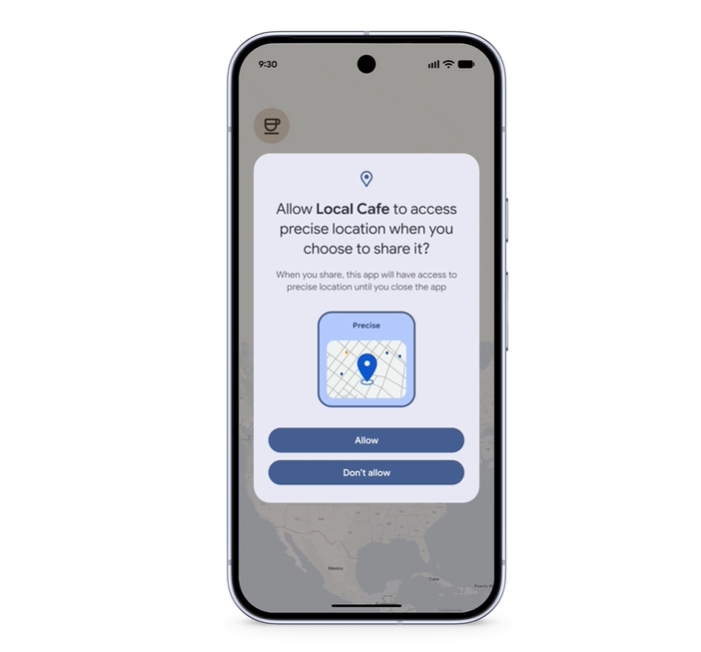
Following a successful pilot in Brazil, the default-activated protection function is being rolled out globally. Remote locking and anti-piracy locking will be performed by default on all new Android 17 devices and those that have just been replaced or upgraded to the latest system. In Argentina, Chile, Colombia, Mexico and the United Kingdom, these protective functions have been extended to all Android 10 or higher versions of equipment. Android 17 reduced the number of tests of PIN or passwords on supported devices and extended the waiting time between failed attempts. Devices that run Android 12 or more are now able to access the IMEI of the device through a lock screen to simplify the equipment recovery process.Privacy controlAndroid 17 introduced a new position button that allows users to share precise location information on a temporary basis during an open application to perform specific tasks, suitable for fast navigation in a nearby location, without permanent access to a location. When you access position information, a new position indicator, similar to that for cameras and microphones, is displayed at the top of the screen.
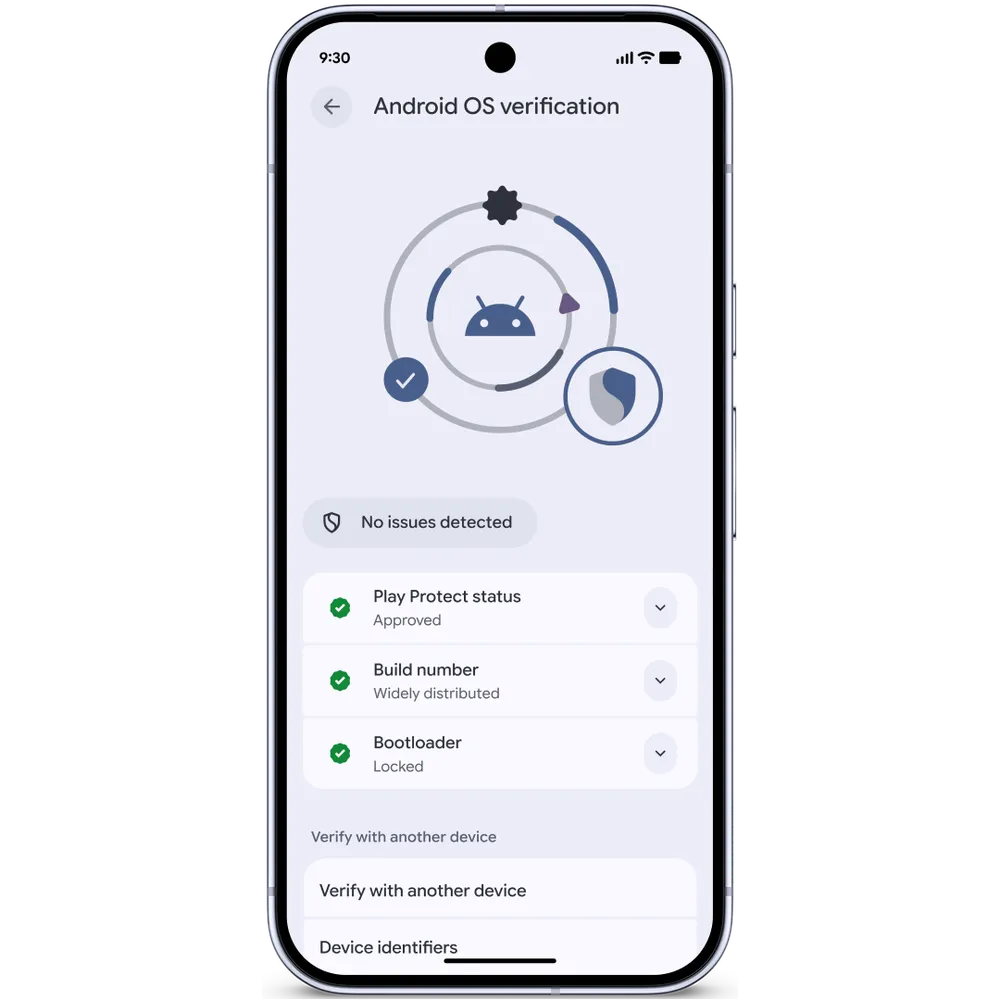
A new Contact Selector gives users more control when granting contact access. Developer can request access to a specific contact only, not all of them. Apply the field you want, and access is one-time.AI security and operating system validationAndroid 17 introduced AISeal and pKVM to enhance private computing cores (PCCs) and private AI calculations through verifiable, hardware-supported, equipment-end segregation, and thus secure environmental data processing. The Android operating system validation function was first introduced on the Pixel device and was designed to assist users in validating the operation of the officially issued Android operating system. Google uses an open, supplementary book to provide encrypted certificates to ensure that Google applications on the Android platform are officially published in Google.
Additional security functionIn order to prevent malicious use of the security code, Android will now automatically hide most of the one-off passwords sent from text messages for three hours. Android 17 allows the operator to disable the 2G network switch by default to close the 2G, thereby protecting users from old technology loopholes in areas where the 2G infrastructure is no longer maintained. Google has also introduced quantum encryption to counter future threats.