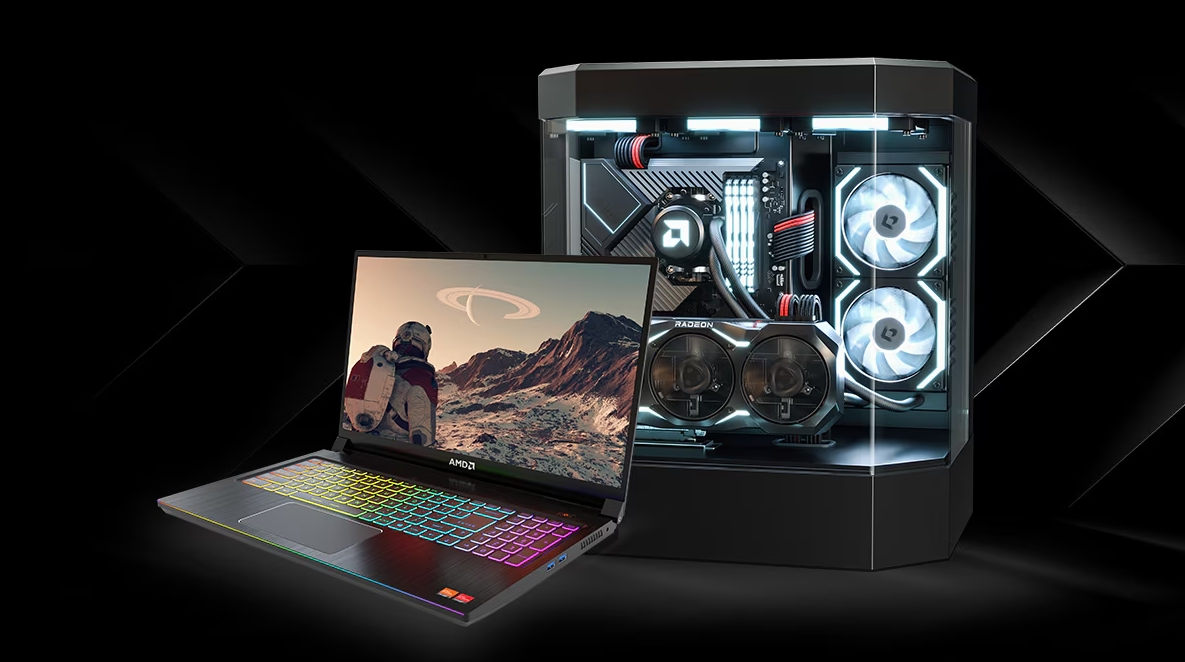
According to AMD, the collection of $10.3 billion in the first quarter of 2026 was almost the same as that of the ring comparison camp, but increased by 38 per cent over the first quarter of 2025. There are indications that AMD continues to benefit from strong demand from the AI industry for high-performance CPUs and computing units, but is not immune to the impact of memory shortages.
According to data published by AMD, its data centre operations received $5.8 billion in the first quarter of the year, an increase of 57 per cent over the first quarter of 2025, and only $720 million in play operations, which is not a bad figure, especially given the increase of approximately 11 per cent over the same year. However, AMD recommended that investors expect a significant decline in this area in the near future. At a recent financial teleconference, the Executive Vice-President and Chief Finance Officer, Hu Jin, said: “We expect that the demand for game operations in the second half of the year will be affected by increased memory and hardware costs. We now expect that the revenue from the game business will fall by more than 20 per cent in the second half of the year.” In other words, as consumer-grade memory prices soar and other components, such as CPU/GPU, also suffer from a chain shortage, it makes sense to reduce the overall expenditure of PC game players. Chief Executive Officer AMD Sozeto added at the conference by telephone: “We have made very good progress in the field of commercial PC with AI PC. Desktop-level market performance is indeed slightly weaker, as it is a more consumer-oriented market. It is therefore more affected by the increase in memory prices and in the price of components.”
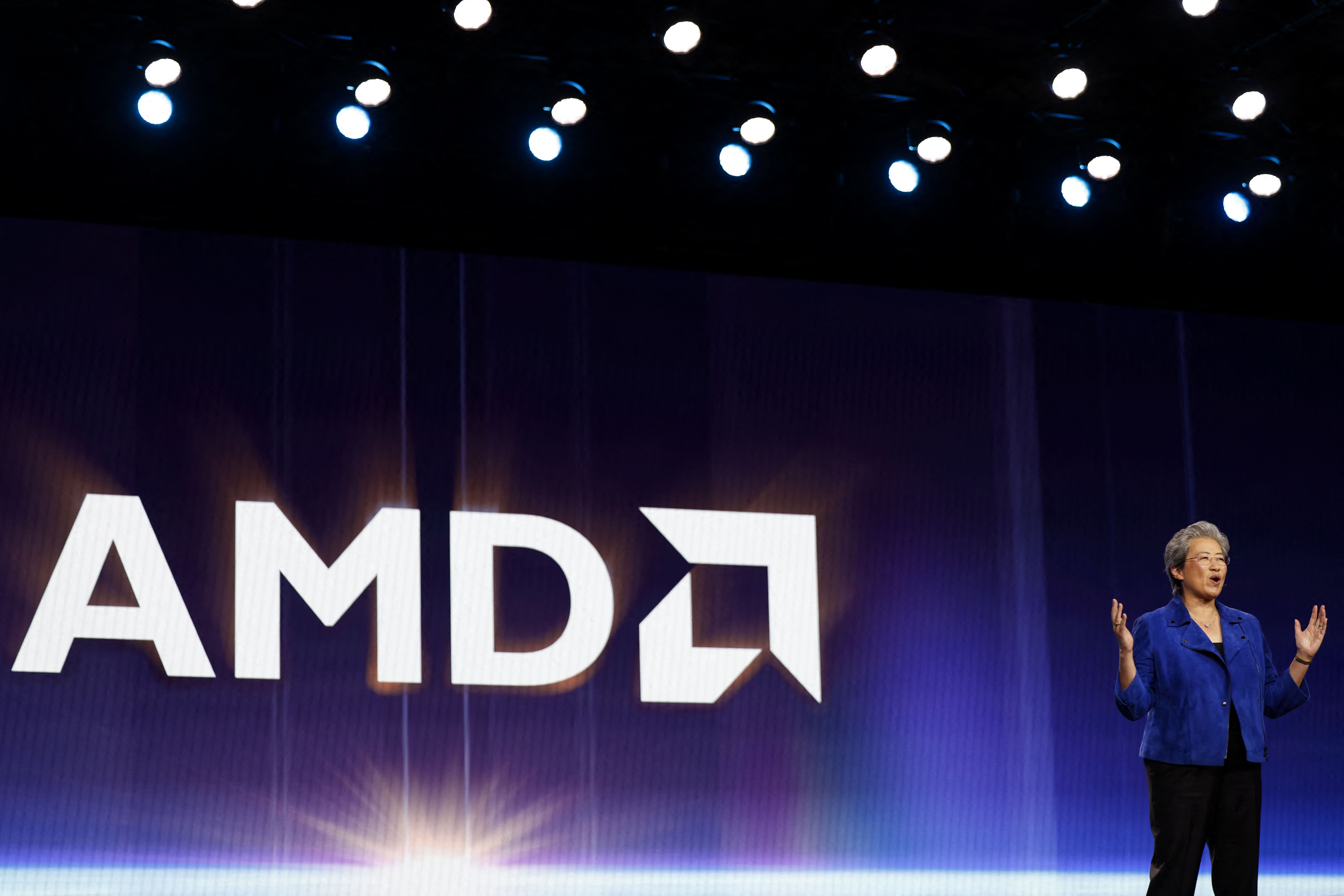
As a result of the introduction of AMD hardware in the PS5 architecture, Sozito also stated that “at this stage of the mainframe life cycle, revenues from semi-customed hardware have decreased over time and are in line with expectations”. PS5 was listed in 2020 and will end in 2026 if the universal life cycle of the host is used as a reference. Although there is not much information on PS6 at this time, Soze is well known: “Cooperation with the next generation of host platform users remains strong”. In response to a question from investors, Sozito explained the prediction of the game business. She said, “I mean, you see, that’s what everyone in the industry is trying to do — we see an increase in memory costs in a situation of supply constraints. I think we are all trying to overcome this problem. In fact, Microsoft and Weedda made similar projections of the impact of the memory crisis on revenue. “The current trend in the market is mainly in the data centre area, which stems from AI’s need for computing”, Susef goes on to say, “The focus of attention is on supply, on ensuring stability of supply, and on its impact on the consumer market. As mentioned earlier, we anticipate that the remaining price increases in the second half of the year may have some impact on demand in sectors such as PC and games. So we’ve got this in the whole model.”