

As an important carrier of Eastern aesthetics and historical memory, ancient dramas have always held a unique and solid place in the television content ecology. In recent years, this type of continuous content innovation and aesthetic upgrading has shown a new dynamic of development, while maintaining basic stability, with narrative perspectives ranging from great epics to city fireworks, values expressed from traditional ritualism to modern spirituality, and the boundaries of the type expanding in the multifaceted directions of historical stories, palettes and doubts.
A number of initiatives to further enrich television screen content for the provision of free television content, published in August this year (referred to as “broad-broad-broad-broad-broad-broad-broad-broad-broadcasting”) have proposed to encourage “broad-broad-broad-broad-broad-broad-broad-blowing” the “broad-blowing regulation of ancient dramas, which no longer limits the length and proportion of time, but is managed in a flexible manner on the basis of need” and have opened a more visible channel for their creation and broadcasting.
When the old play “Breathing Circles” is going on, it’s going to be aired on a large plate, and it’s going to be on a multi-type basis.
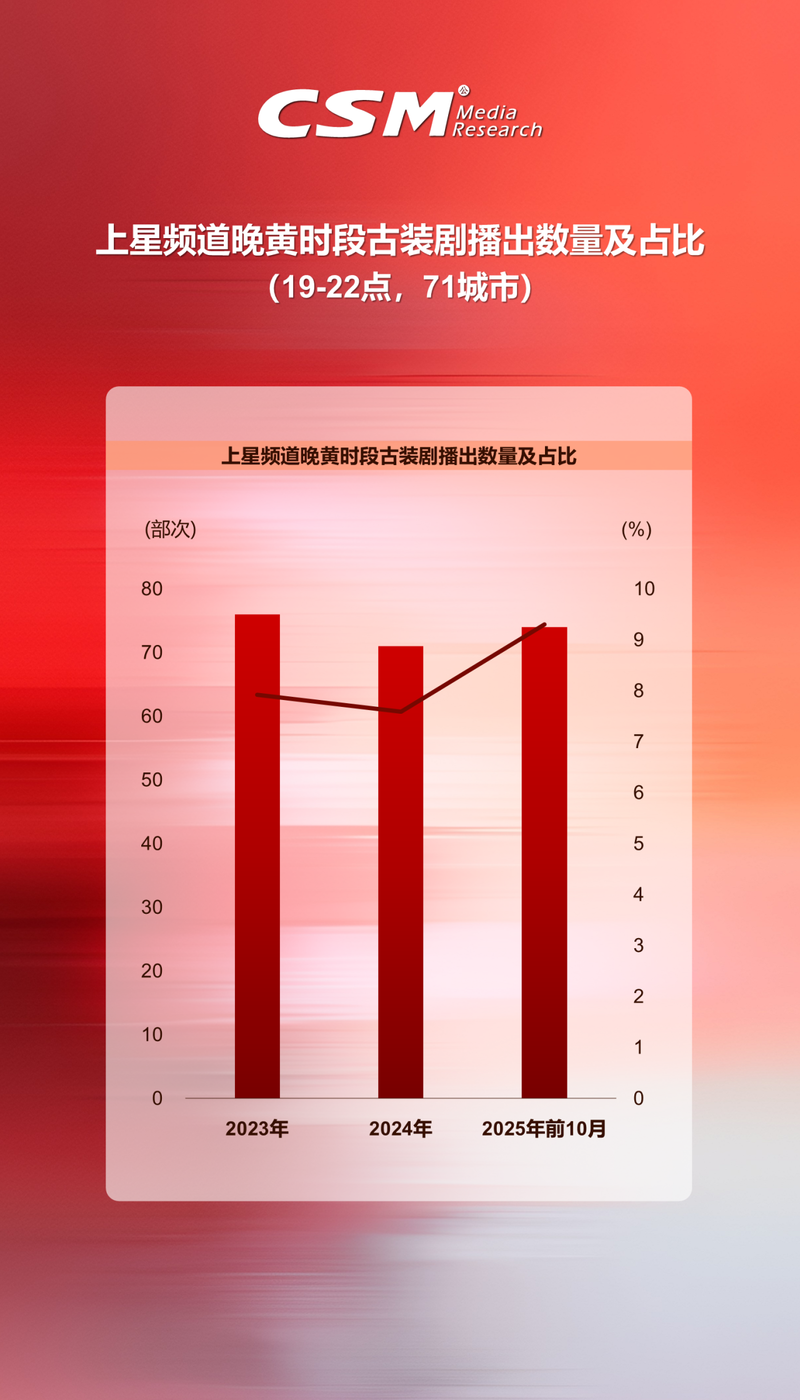
As an important component of the television content market, the classical drama shows impressive growth potential in the television content map. In recent years, there has been a steady increase in the size of ancient dramas, with a marked rise in the percentage of goldtime broadcasts. This structural dynamic of “low-quality, high-speed growth” reflects both the continued deep tillage of historical topics at the production end and the re-recognition of the market value of quality antique content on broadcast platforms.
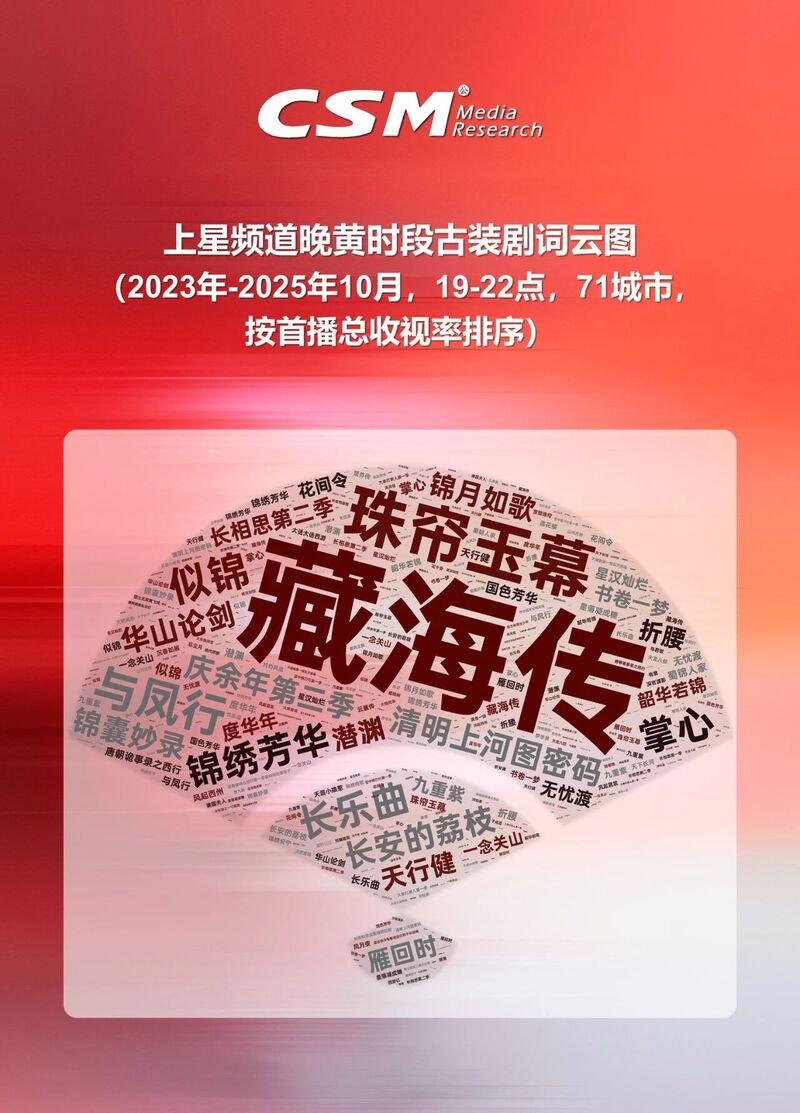
In terms of ratings, between 2023 and October 2025, the radio show Tibetan Seaborne received more than 6 per cent in 71 cities and 4 per cent in the Curtain, the Qinghui river map code; and 3.21 per cent of the performances of Changan’s Star Channel’s yellow-room first-time show on the screen, and 2 per cent of the first results of solo shows, such as The Second Quarter of the Jubilee, and Phoenix.
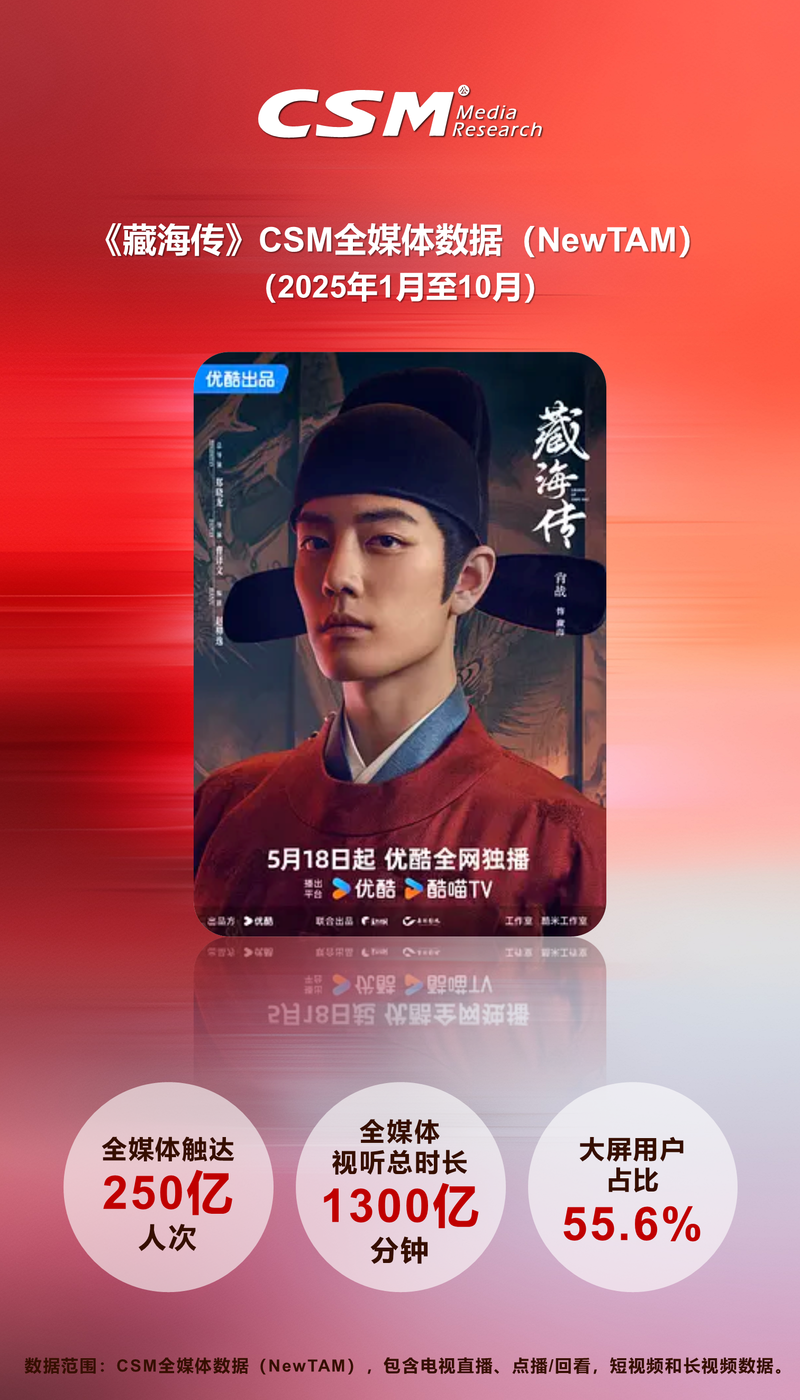
In particular, Tibetan Marine Passes demonstrated remarkable communication effectiveness on the entire media platform, achieving a double breakthrough between heat and reputation. CSM Media-wide data (Newtam) and V+Scope show that between January and October 2025, the entire media reached more than 25 billion people, that the total audio-visual duration of the media was nearly 130 billion minutes, and that the users of the screens were half-wieldy, and that in 13 major new media platforms, such as tremors, fast hands, and microblogs, the key word “Tibet” had been screened and over 15,000 items had been published on over a thousand radio accounts, with a cumulative total of over 910 million. This demonstrates the great potential of high-quality antique dramas in the era of integrated transmission.
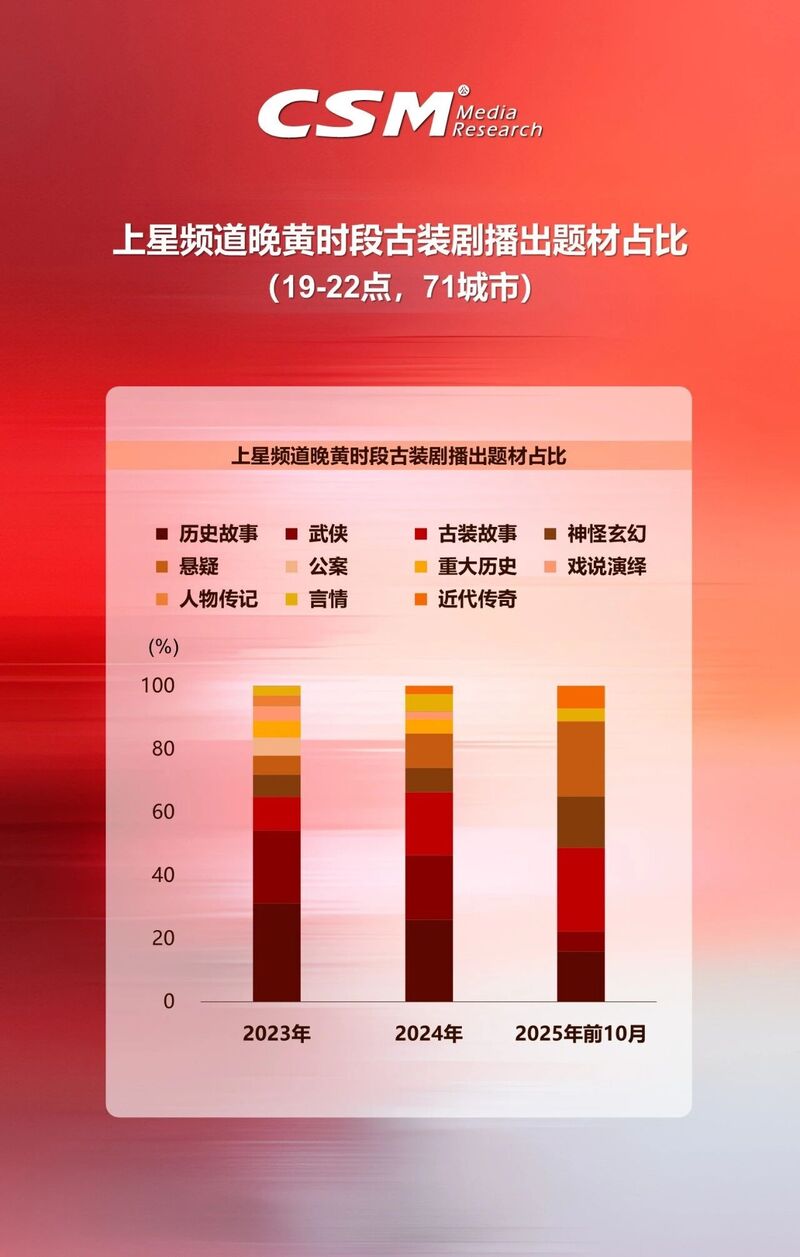
The creation of an ancient play is rich and diverse. On the subject, there is a diversity in the distribution of ancient dramas, with ancient stories, skepticisms and high-quality places, historical stories and stories continuing to dominate, the genus of the genre leaping to the market with strength, and the traditional martial arts. The work has turned the narrative into a broader social picture — modern thinking of social governance, business wisdom of the city, craftsmanship, self-awakening of women’s groups, and so on, creating a rich historical human landscape. In terms of expression, the production team, through its literature and digital techniques, has been fine-tuning ancient buildings, clothing, rituals, etc., while using modern video and visual languages to give new life to traditional aesthetics.
Among them, the historical drama, the Internet IP adaptation and the micro-short play are prominent types, which not only characterize the artistic expression but also provide a differentiated orientation at the level of cultural communication and audience connectivity.
Temple halls and rivers: the two-hundredth “Breaking Walls” of history
Historic dramas, represented by classics such as the Kang Hee dynasty and the Dynasty 1566, highlight the aesthetic peaks and depths of thought in the creation of ancient Chinese plays. Such works, based on a rigorous historical examination, inject historical thinking into the civilization of the system, as well as the human nature, in the great narratives of power games, human suffering and reform.
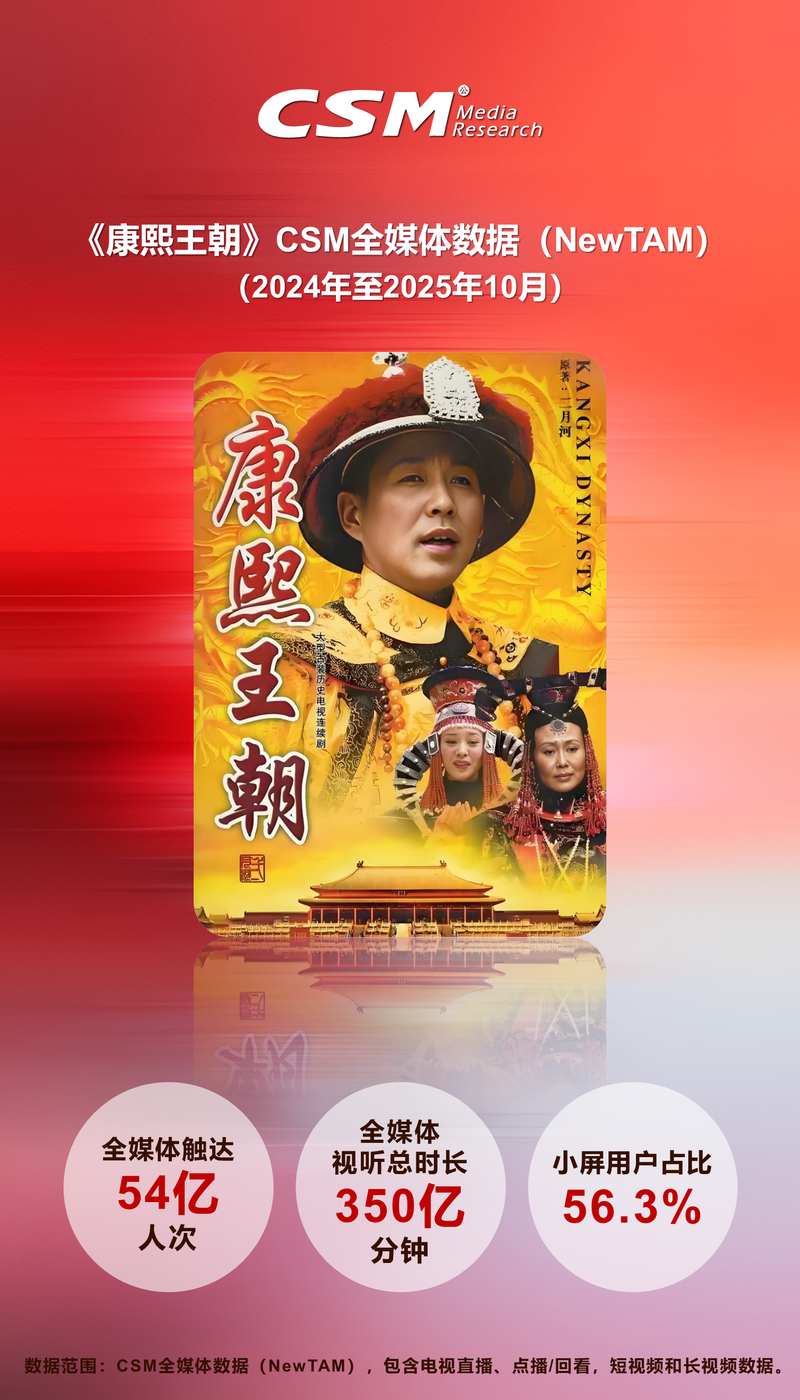
While maintaining the epic ethos of restraint, these dramas recast the traditional political culture from a modern perspective, demonstrating its long-standing new cultural vitality and intellectual values. In the case of the Kang Hee Dynasty, the CSM Media-wide Data (New TAM) shows that between 2024 and October 2025, the audio-visual play lasted more than 35 billion minutes, the entire media reached more than 5.4 billion people, the young audience accounted for nearly 50 per cent and the screen users for nearly 60 per cent, and it is clear that the classic works have remained stable in their basic disks for more than 20 years.
At the same time, the two-time creations of historical dramas at the small end of the screen have succeeded in transforming thick epics into mobile, contemporary cultural genes, resulting in the rejuvenation of serious narratives in a variety of forms, such as introspection, science, role clippings, simulations, etc., which have gained the vitality of new dissemination scenes over time.
For example, the classic part of the Kang Hee’s Dynasty, “Kang Hee is angry with the people”, the intellectual UP masters, through in-depth insinuation of the wisdom to analyze the checks and balances of power, the working worlds, which they cut into a working life guide, the young people’s use of ghost sounds to make the wrong laugh points, the golden phrases, “My heart is breaking” and so on. The Dynasty 1566 provides an in-depth analysis of history and humanity, the creators explore the underlying logic and contradictions of the feudal dynasty system, the historical cyclical rate, Heire’s bold words are being given modern reading in the workplace, the kamong’s mastership has become a vivid case of management, and the classic words “The clouds in the sky are in the bottle” have been elevated to a divine philosophy. Instead of defusing the seriousness of the original play, these two innovations have produced a virtuous ecology of traditional culture and contemporary youth dialogue in a small screen field, creating a cultural chain of “Facewatch-Screen Transmission-Deep Interpretation ” , which has allowed heavy subject matter to release energy in light quantitative transmission.
An example of the “Kang Hee dynasty”
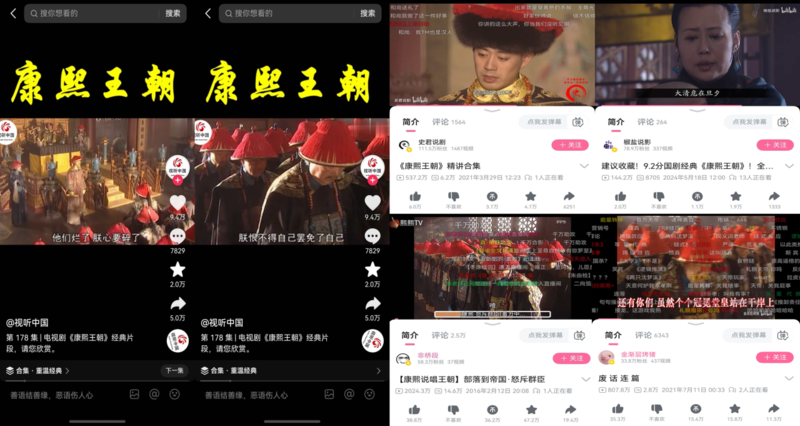
Data source: Dancing, Station B
Example of Dynasty 1566.
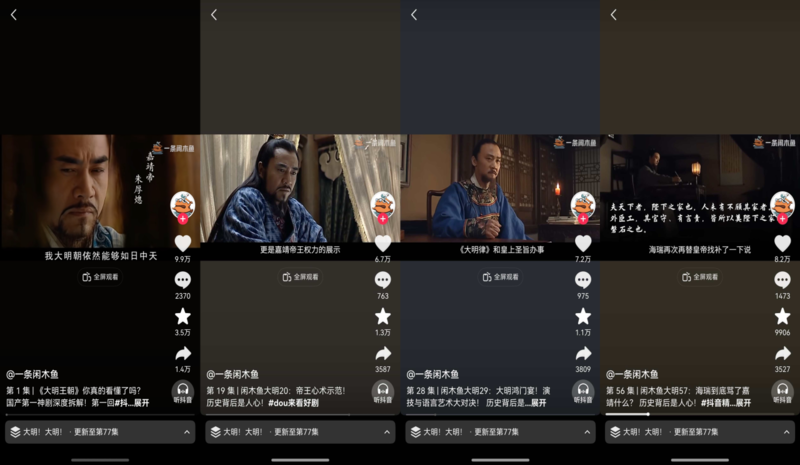
Data source: Dithered
From text to image: rejuvenation of IP video expression and broken circle password
The web-enabled version of the play, represented by Jubilee, transforms the visual space of words into an audio-visual system of images, both through “face-to-face” maintenance of the emotional connection of the original works and through “person remodeling” and “correspondence”. These works, often combined with complex expressions of type elements and the implantation of contemporary values, inject modern spiritual cores into traditional frameworks such as ancient stories, doubts and so forth, achieve a precise balance between inheritance and innovation and widen the content boundaries of video-visual creation.
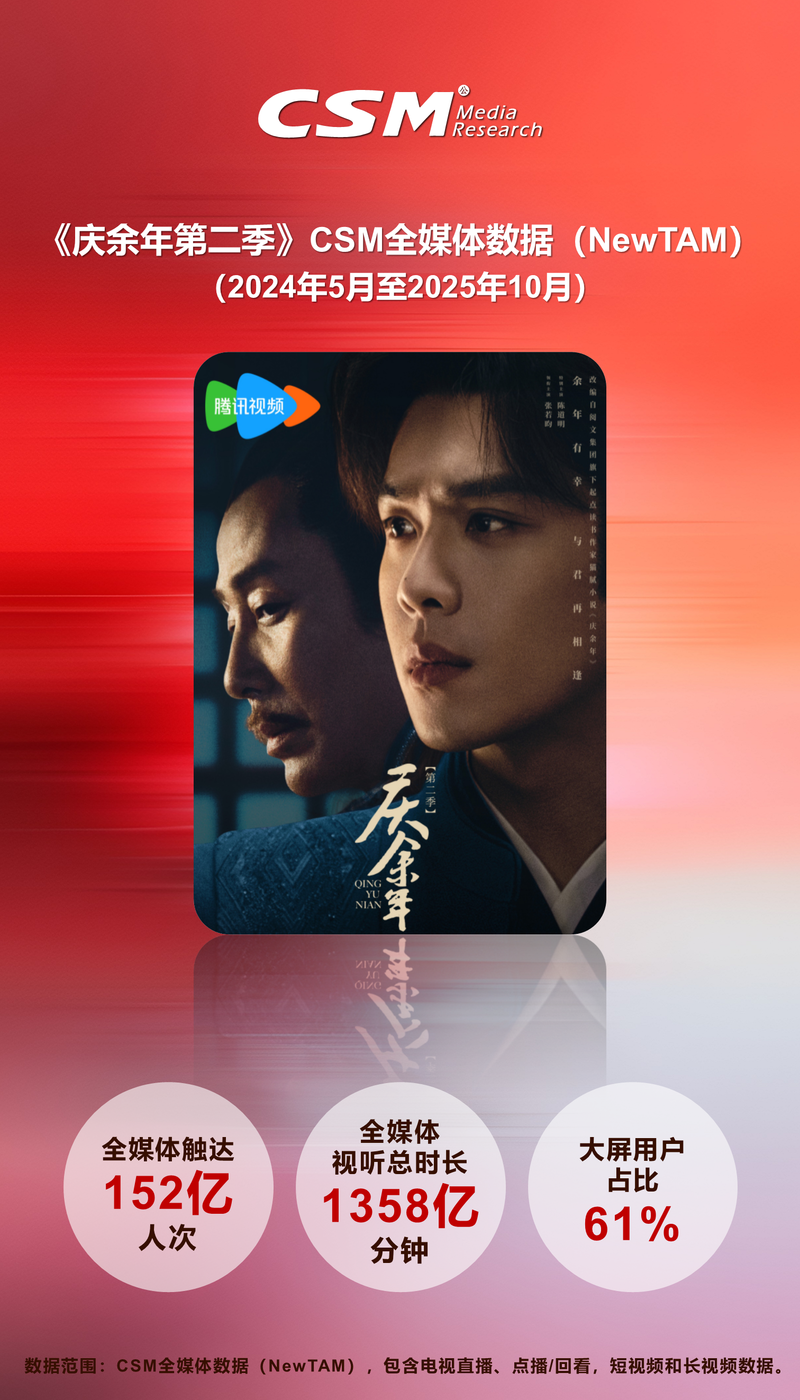
The two seasons of the Jubilee Day were continuously aired and popular, reflecting the high-level Internet IP sustainability. By breaking the barriers of time and space through narrations, it has dramatically clashed contemporary notions of equality for all, the rule of law with feudalism, power checks and balances. It has dealt with heavy social issues, such as the vagaries of the workplace, institutional dilemmas and so forth, in a way that accurately echoes young people ‘ s values and emotions. The very easy-to-dissemble content, such as the comedy bar, the high-light line, the famous scene, not only dispels the alienation of the ancient play, but also is well suited to the dissemination logic of short videos, which leads to the creation of grass for potential audiences. The CSM Media-wide Data (Newtam) and V+Scope show that, between May 2024 and October 2025, the second quarter of the Jubilee Year reached nearly 15.2 billion media-wide contacts, with a total of 1,358 million minutes of audio-visual broadcasting and 60 per cent of screen users; in 13 major new media platforms, such as tremors, quick-hands, and microblogs, screening key words, “Yen years”, were found to be more than 9500 items, with a cumulative total of over 420 million. These bright data are the result of a comprehensive rejuvenation, from the inner core to the dissemination strategy, which also maximizes the dissemination of broken loops.
New part of the era of micro-short drama: a new paradigm of cross-media narratives and classical aesthetics
An ancient micro-synthesis has landed on television screens, marking the deep integration of long video content into family scenes. According to CSM Media-wide (NewTAM) data, between January and October 2025, the late yellow hour micro-synthesis of ancients had accounted for 10.8 per cent of the total number of big screens. This is a strong indication that its content value is deeply recognized in mainstream channels.
Antiquated micro-short dramas combine traditional antiquated elements with modular dramas, high-density conflicts, strong emotional output, with short, fine-fitting body sizes and modern viewing habits. It rejuvenates traditional television with fast-paced and social topics, and television screens are a “key leap” in the endorsement of their brand for authoritative and family scenes to break the circle and spread across generations. This new mode of broadcasting not only expands the boundaries of the content of the ancient subject matter, but also creates a new path that attracts the Z generation audience and empowers the collection of resources, demonstrating that cross-media narratives have become an important engine for integrating the era of communication.
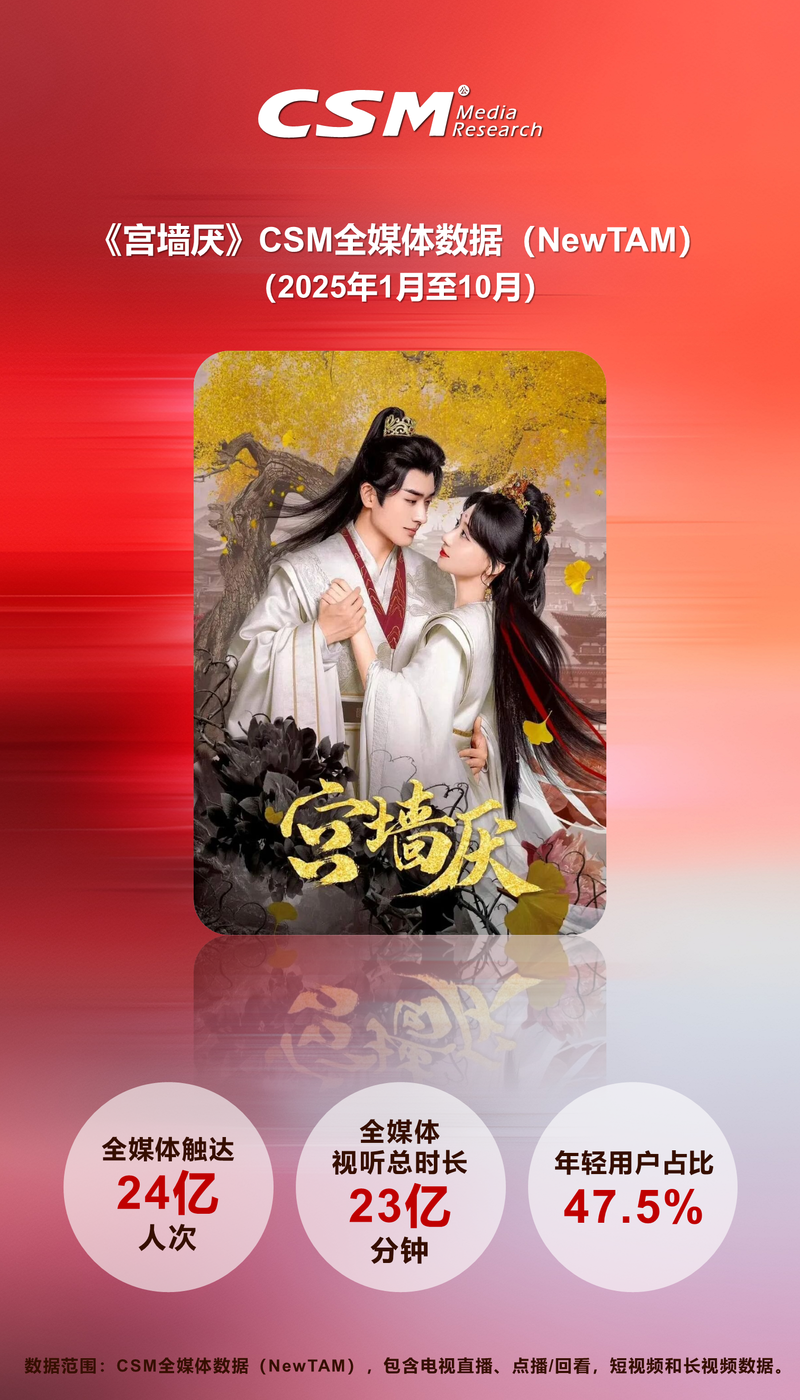
For example, the ancient short play ” The Anorexia of the Palace ” , which emerges with a negative narrative, a great sense of joy and a deep female awakening, uses the high-powered design of a fallen killer to turn herself into a female emperor, so as to rapidly advance the drama of high-density elements such as marriage, retrogression and female obscenity, thus filling the gap in the subject of grass-roots women ‘ s retrogression and provoking a deep resonance among the audience. At the same time, its film-grade production quality has greatly enhanced visual insinuation and art appreciation, transforming it into a strong market competitiveness. The CSM Media-wide Data (Newtam) shows that from January to October 2025, the total audio-visual time of the Miyagi was 2.3 billion minutes, the total media reached nearly 2.4 billion people, and young users accounted for nearly 50 per cent. In particular, on the shivering platform, the “million-turner” of girls, from begging to the emperor, was praised by more than 2.08 million people as a visual business card that was distributed at the social media index level to help them break the circle of success, which proves that the line of precision is a central driver of micro-facility to achieve brand value-added and long-lasting development.
Conclusion
Thanks to the precision of the “Twenty-one-one” policy, the development of the ancient drama is ushering in a more dynamic and benign ecology. It is hoped that the creation of the palaeonts will transmit culture in innovation, add value in diversity, win wider market influence and lasting vitality, and ultimately drive the palaeonts to a new stage of healthier and sustainable prosperity.