
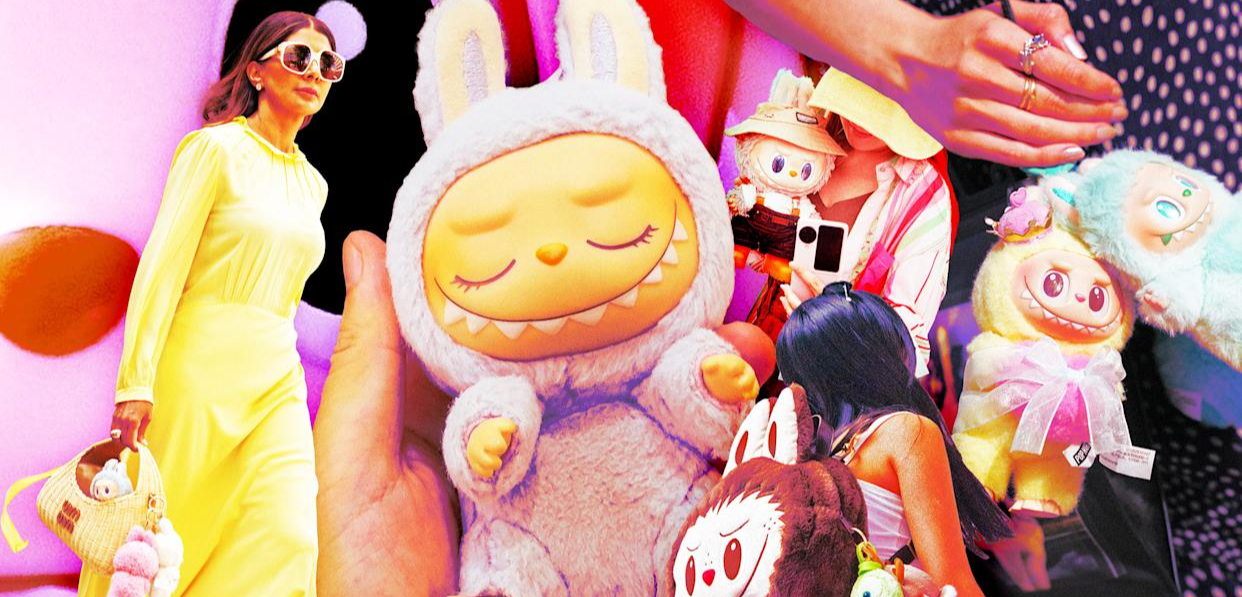
The Chinese tide’s brand of bubble-blowing the velvet toy of Labubu “Labubu” created by Matt recently burst into flames and became a phenomenon in the global fashion and collection community. This furry “monster” with nine teeth on his ears and a smile on his face has driven the Z generation and the Millennium generation crazy about it.
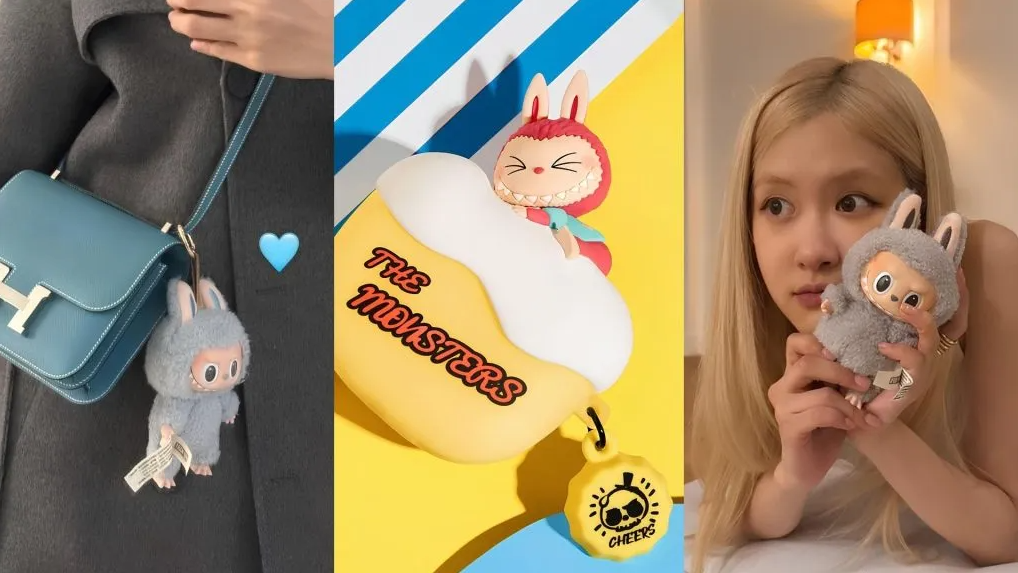
Labubu has a variety of configurations, ranging from ethylene dolls to garnish, but the most popular is the key button. The luxury handbags from TikTok users to high school students are visible, and stars like Rehana, Blackpink members Lisa and Dua Lipa are proud to wear them. The Labubu series of toys was so popular that bubble-mart generated $410 million in income in 2024, with an alarming total of $1.81 billion.
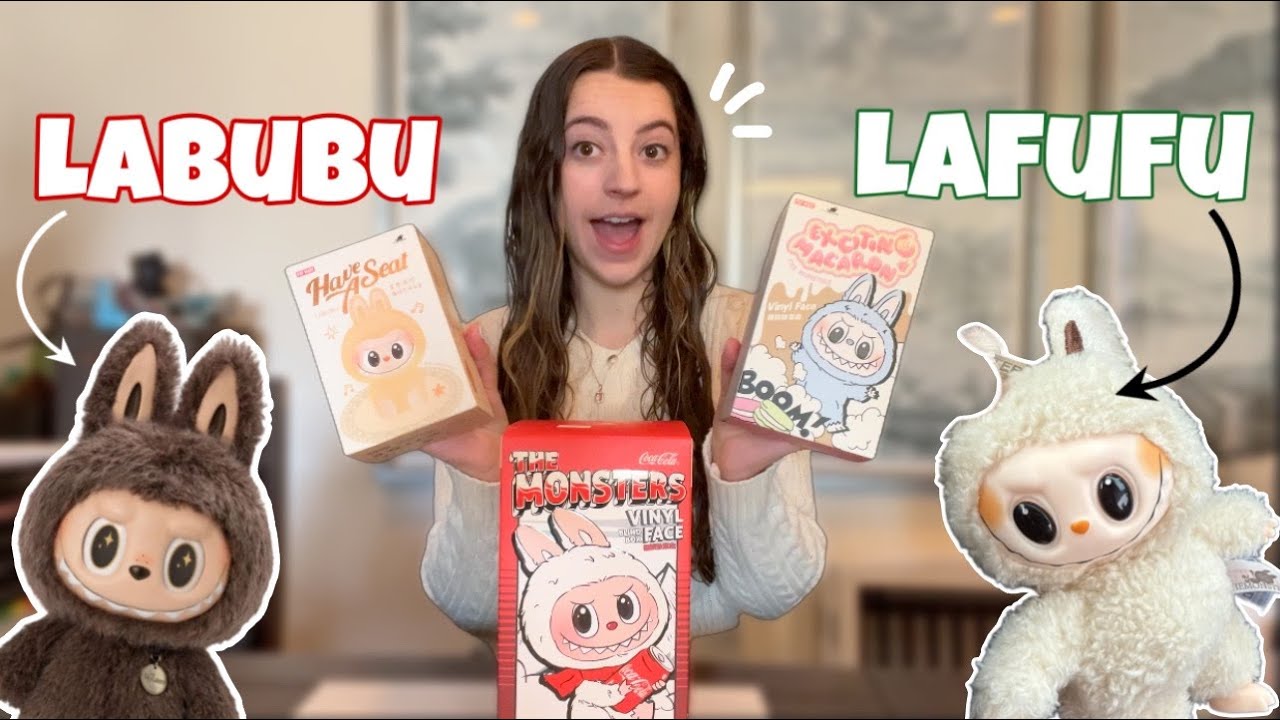
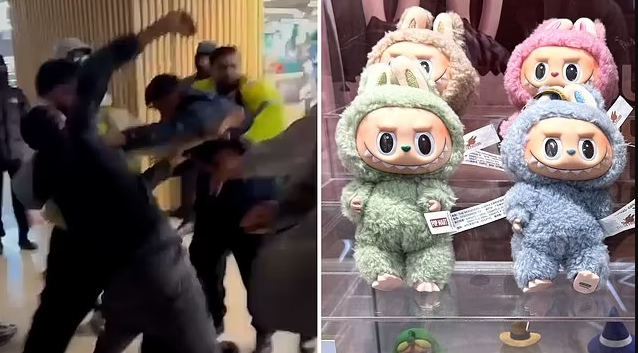
In 2024, Labubu’s global sales surged by seven times to three billion yuan yuan, and its limited editions rose by more than 10 times in second-hand market prices. Like all cultural hotspots, Labubu’s global explosion triggered a large number of imitations (Lafufu), which attracted consumers at low prices, but were characterized by colour deviations, laughter asymmetries, or faulty teeth. In addition to counterfeit products, there are even street fighting and rampant underground crime.
The “hunger marketing” of Labubu has triggered a rush to buy by consumers, and some buyers have started camping outside the shop in Bubut for hours or even days before they can make up for their goods, owing to a shortage of stocks. In order to be able to buy Labubu, there have been large-scale fights at Bubble Matt stores around the globe, and the British Bubble Matt Gate has chosen to temporarily lay down the product to prevent potential security problems.

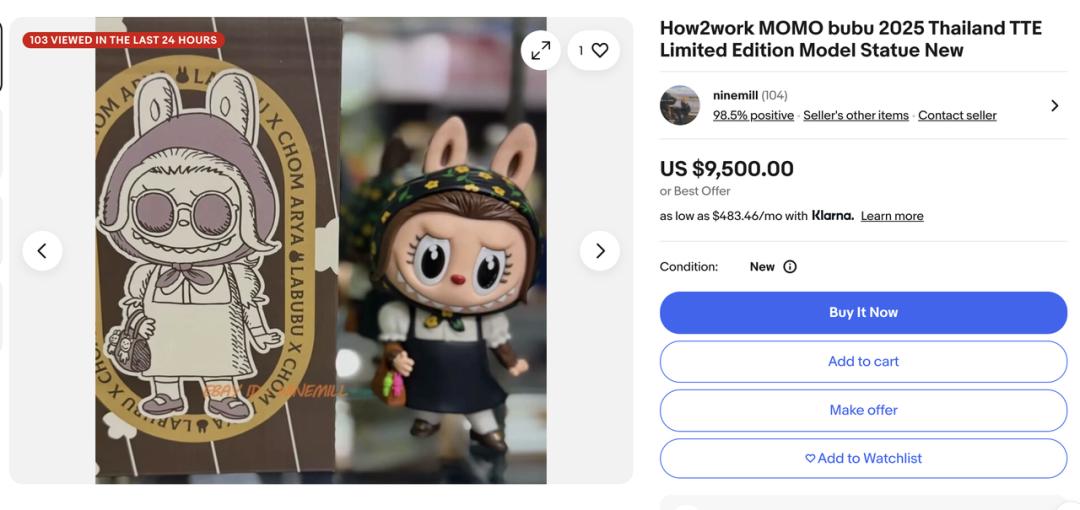
The price of a single Labubu-blind box is between $21 and $27, and the total price is approximately $167. However, as a result of consumer frenzy over Labubu, two-way vendors raised prices to alarming levels. On eBay, a limited version of Labububu is currently sold for $9,500. On another popular online trading platform, StockX, a Labubu x Vans-limited doll is sold at close to $3500.
As the world ‘ s largest electrician platform, the Amazon has also recently seen a large number of fraudulently false products from Labubu. The erosion of Pop Mart ‘ s brand rights and consumer experience has prompted the platform to upgrade intellectual property protection measures. In response to this situation, the Amazon has stepped up its efforts to sell Labubu imitations and related abuses on the platform, and a large number of sellers face the risk of the sale of unauthorized Labubu imitations or surrounding products from the sale of commodities, shop closures and even permanent closure.
According to industry sources, despite attempts by some sellers to circumvent censorship by labeling “for Labububu” and coding product images, the Amazonian algorithm system ‘ s precision identification irregularities led to the removal of several commodity links and to severe damage to some shops. Vendors with serious irregularities (such as repeated sales of imitations) face temporary freezing or permanent closure of shops, as well as restricted cash transfers. Industry sources estimate that, between May and June, Amazon has fallen over 5,000 links to Labububu-related violations, with about 1,000 closed shops.
Besides…I don’t know.Underground crime against Labububu has also increased. Just last month, a shipment of Labubu toys (including Hirono dolls) destined for England was seized by a group of thieves who stole products worth more than $202,000. A month ago, the thief stole some $27,000 worth of Labubu products from a shop in Sumersset County in the United Kingdom, and even in the street. Some consumers even buy insurance for Labubu while travelling abroad for fear that their toys will be targeted by outlaws.
Peter Klemt, head of the travel insurance company Passport Card Australia, said to the New York Post: “It seems absurd to insure toys, but this is a good illustration of people’s emotional input. Considering that some Labubu is now on the resale site for close to $652, you will understand why they are protecting them.”
When a velvet toy selling $21 went up to $9,500 a day in the second-hand market, and when the consumer bought insurance to protect the dolls, the global fanaticism unleashed by Bubble Matt went beyond the collection itself and evolved into a reflection of the social image of Z-generation emotional projection and consumer alienation.
Labubu inherited the Z generation’s desire for personality, emotion and belonging, but also exposed consumerism, fanaticism and disorder in high prices, the proliferation of counterfeits and criminal activities. Bubblemart, through accurate hunger marketing and IP operations, beats Labubu to a cultural symbol that transcends toys, but this carnival also reminds us that: When emotional projection intersects with market bubbles, consumers need a rational return, while brands need to find a balance between innovation and responsibility.